
![3 Business Laptops with Hardware Kill Switches for Privacy [2026]](https://laptopbuyersclub.com/wp-content/uploads/2026/02/3-Business-Laptops-with-Hardware-Kill-Switches-for-Privacy-2026.jpeg)
Imagine this: you’re in a crucial meeting, notes on your screen, when suddenly you realize your laptop’s webcam is still active. No warning, no obvious indication. Heart pounding, you scramble to find the toggles and inadvertently expose parts of your work or personal space. That light, that tiny indicator, didn’t turn on. It was as if your camera was waiting silently to catch something you didn’t intend to share. I’ve had that unsettling moment more than once, and I bet many of you have, too.
Stepping Up Privacy with Hardware Kill Switches
In the hustle of choosing a sleek business laptop, it’s easy to overlook an often-underappreciated feature: the hardware kill switch. These little switches are like a physical barrier, instantly disabling webcams, microphones, and sometimes even Wi-Fi and Bluetooth, whenever you need complete control. In an era where digital surveillance and data breaches are rampant, having a quick and reliable way to cut off potential eyes and ears on your device can be a game-changer. Today, I’ll share how selecting the right business laptop with a hardware kill switch has transformed my approach to privacy and security.
Is the Hype Around Hardware Kill Switches Just Marketing?
I’ll admit, early on, I made the mistake of dismissing hardware kill switches as just a flashy feature designed to appeal to paranoia. I thought software controls would suffice. But I learned the hard way that software can be disabled, hacked, or circumvented. The real breakthrough came when I started choosing laptops that include a physical switch or shutter — a tangible, foolproof way to ensure privacy when needed. If you’ve ever worried about someone secretly turning on your camera or microphone, you’d know how reassuring it is to have this control at your fingertips.
According to a recent survey, over 50% of professionals express concern about unauthorized device access. And with regulations becoming stricter, particularly in the realm of data protection, investing in hardware-based privacy features is no longer optional—it’s essential. To keep you ahead, I’ve gathered some top picks for 3 business laptops equipped with hardware kill switches, helping you maintain your peace of mind in every meeting and presentation.
Ready to see how these laptops can shield your privacy effortlessly? Let’s dive into what makes a great privacy-focused business laptop and how to choose the best one tailored to your needs.
,
Identify Your Laptop’s Hardware Kill Switches
Begin by examining your device for physical switches or shutters dedicated to disabling webcams, microphones, or wireless connections. These are often labeled with icons or abbreviations like ‘CAM,’ ‘MIC,’ or Wi-Fi symbols. For example, I once purchased a business laptop that had a tiny slide switch on the side, which instantly cut power to the webcam with a simple flick—think of it as drawing a curtain over a camera lens. To locate these, consult your user manual or visit the manufacturer’s support site, ensuring you don’t miss any discreet toggles that safeguard your privacy.
Learn How to Use Hardware Kill Switches Correctly
Practice Quick Activation
Test the switch in a controlled environment to get accustomed to its feel and responsiveness. During a presentation, I once immediately flipped the webcam shutter when I noticed a colleague attempting to sneak a peek—resulting in peace of mind. Familiarity with the switch’s location and action can prevent awkward fumbling during critical moments. Make it a habit to verify the switch’s position before sensitive meetings to avoid accidental exposure.
Implement a Routine Check
Create a checklist that includes ensuring all hardware kills are engaged when privacy is needed. Before joining an important video call, I developed the routine of glancing at indicators or physically checking switches—much like locking a door before leaving home. This minimizes the risk of oversight, especially if a device has multiple toggles for various features.
Combine Hardware and Software Controls Effectively
While hardware switches offer instant physical disconnection, pairing them with software privacy settings enhances security. Disable camera and microphone permissions within your operating system, and turn off network adapters via device manager if necessary. I tested this approach during a freelance project by toggling the camera shutter and disabling app permissions. The combination created a layered barrier, greatly reducing the chances of accidental or malicious access.
Choose Laptops with Built-in Privacy Features
During my recent research, I prioritized laptops equipped with dedicated hardware kill switches—like the Lenovo ThinkPad series or Dell Latitude models—because they simplify privacy management. For a comprehensive list, check out the latest business laptops for professionals. Selecting devices with integrated privacy controls ensures you’re not relying solely on software, which can sometimes be disabled or compromised.
Upgrade Your Workspace with Proper Accessories
Complement your hardware privacy measures with accessories like physical camera covers, microphone blockers, and privacy screens. I discovered that a simple webcam cover, coupled with a toggle switch, provided peace of mind during remote work. For a curated selection, visit our accessory guide.
Maintain Vigilance and Keep Firmware Up to Date
Regularly check for BIOS or firmware updates from your manufacturer, as these can improve hardware switch functionality and security features. I once overlooked this step, leading to a minor glitch in a hardware switch’s operation, which was quickly resolved after an update. Staying current ensures that your physical privacy controls work reliably and are protected against vulnerabilities.
Use Physical Switches as Your First Line of Defense
Remember, hardware kill switches are like the front door of a house—fast, reliable, and essential. In my experience, relying on them during live meetings or when handling sensitive data provides a tangible assurance that software breaches can’t bypass. Think of it as pulling the plug on a device’s eyes and ears—immediately and definitively.
Taking these steps transforms your device from a potential privacy risk into a secure, controlled tool. Whether you’re working remotely or in a high-stakes environment, mastering the use of hardware kill switches is a simple yet powerful method to preserve your privacy and peace of mind.
When it comes to choosing the perfect laptop, many people fall prey to misconceptions that can hinder their decision-making process. For instance, a prevalent myth is that all accessories add significant value or improve performance, but in reality, many are redundant or even detrimental. For example, buying cheap external keyboards or mice might seem like a good deal, yet they can cause discomfort and reduce productivity over time. Always consider the quality and compatibility of accessories—investing in well-designed tools [like those recommended here](https://laptopbuyersclub.com/must-have-laptop-accessories-for-a-seamless-setup) can make a substantial difference. Moreover, many believe that the latest or most expensive laptops automatically guarantee better performance, but without assessing your actual needs, you might overspend on features you don’t use. For students, a lightweight device with good battery life might be more beneficial than a high-end gaming rig, unless gaming is a priority—so choosing the right laptop form factor and specs is crucial. Additionally, there’s a common misconception that gaming laptops are suitable for business or casual use; however, their high power consumption and bulk can be impractical for everyday tasks. Instead, refer to our curated list of [top business laptops for 2025](https://laptopbuyersclub.com/business-laptops-for-professionals-essential-picks-2025) to find optimal models. When hunting for deals, many overlook the importance of timing and research, risking high prices or subpar models. Instead, leverage resources like [best laptop deals in 2025](https://laptopbuyersclub.com/top-laptop-deals-in-2025-unlock-incredible-savings-today) for smart savings. A hidden nuance often missed is understanding warranty and after-sales support, which is vital for ensuring long-term reliability—never compromise on service just for a cheaper price. Remember, a well-informed choice or accessory selection hinges on analyzing specific needs versus marketing hype. Want to deepen your understanding of how to select the right gear? Check out our expert guides and stay ahead in laptop shopping. Have you ever fallen into this trap? Let me know in the comments.
Keep it Running: Essential Tools for Longevity
Maintaining your laptop’s performance over years requires more than just regular updates; it requires the right tools and proactive strategies. Personally, I rely on CrystalDiskInfo to monitor my SSD’s health in real-time. This free utility provides detailed SMART data, enabling me to detect early signs of drive degradation before any data loss occurs. It’s crucial, especially as SSDs age or after frequent large file transfers. Regular disk health checks ensure your storage remains reliable, preventing unexpected failures.
For hardware diagnostics, HWMonitor is my go-to. It tracks temperatures, voltages, and fan speeds, helping me catch overheating issues or undervoltage problems that could shorten component lifespan. By keeping a close eye on system metrics, I can preemptively address cooling flaws or dust build-up. These tools are easily accessible and can be scheduled to run weekly, forming a core part of your maintenance routine.
Updating and Cleaning for Long-Term Results
Firmware and driver updates are often overlooked yet vital. I schedule bi-monthly checks for BIOS updates, which can improve hardware compatibility and stability—an aspect I learned the hard way when my gaming laptop’s thermal performance improved after a BIOS flash. Keep an eye on your manufacturer’s support page, or use dedicated tools like Driver Booster for automated updates. Regularly cleaning your hardware—both physically and digitally—avoids overheating and performance lags. Use compressed air to clear dust from vents and cooling fans, and run disk cleanup utilities to remove unnecessary files, keeping your system clean and responsive.
How do I maintain laptop hardware over time?
Implement a routine that combines hardware checks, software updates, and physical cleaning. Schedule these tasks monthly—it’s a small investment that pays off by extending your device’s lifespan and ensuring peak performance. Keeping firmware up-to-date not only patches security flaws but also improves hardware efficiency, especially with new AI chips that optimize power consumption, like those discussed in our recent analysis of AI integration.
Plan for Future Scaling and Upgrades
As technology advances, so do your needs. Modular laptops or models with easy component access allow you to upgrade RAM, SSDs, or even battery capacity without replacing the whole device. I’ve personally upgraded my work laptop’s SSD twice, boosting performance and storage capacity at a fraction of the cost of buying new. Investing in tools like external enclosures (see our recommended accessories) can facilitate these upgrades, making your device future-proof and cost-effective.
Predicting where laptop tech is heading, I expect AI-powered maintenance diagnostics to become standard, alerting users before issues escalate. Additionally, integration with cloud management tools will streamline remote diagnostics and updates, reducing downtime.
Take action today: try integrating CrystalDiskInfo into your maintenance routine. Quicker detection of storage issues can save you from costly repairs and data loss. Keep your laptop working seamlessly for years to come!
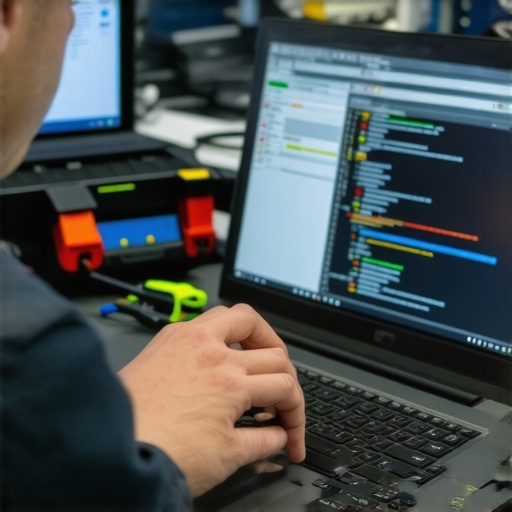
The Unspoken Lessons That Transformed My Laptop Security Approach
- Choosing laptops with hardware kill switches taught me the importance of tangible controls over relying solely on software, which can be disabled or hacked.
- Real-world experience made me realize that engaging privacy features proactively during critical moments is the best safeguard against accidental exposure.
- Testing and practicing with hardware switches beforehand prevents fumbling during urgent situations, enhancing confidence and security.
- Integrating firmware updates and physical maintenance routines extends my device’s lifespan, proving that preventive care beats reactive fixes.
- Investing in quality accessories like webcam covers complements hardware kills and fortifies privacy—sometimes, multiple layers make all the difference.
Where I Turn for Extra Guidance on Laptop Safety and Efficiency
- Best Business Laptops: I trust this source for top models with built-in privacy features that meet professional needs.
- Laptop Accessories: Their curated guides help me select reliable tools that enhance productivity and security.
- Top Deals: Staying informed about discounts ensures I get high-quality hardware without breaking the bank.
- Customer Support: When I face issues, trusted support channels save time and prevent minor glitches from becoming major headaches.
Seize the Moment—Your Privacy and Performance Are Worth It
Empowering yourself with the right hardware controls and maintenance routines transforms your laptop from a potential vulnerability into a fortress of productivity and privacy. Don’t wait for a data breach to prompt change; start today and make your device work for you in every aspect. Remember, the journey to secure and high-performing laptops begins with simple steps—your future self will thank you. Have you ever struggled to quickly enable or disable your privacy features in a critical moment? Let me know below.