
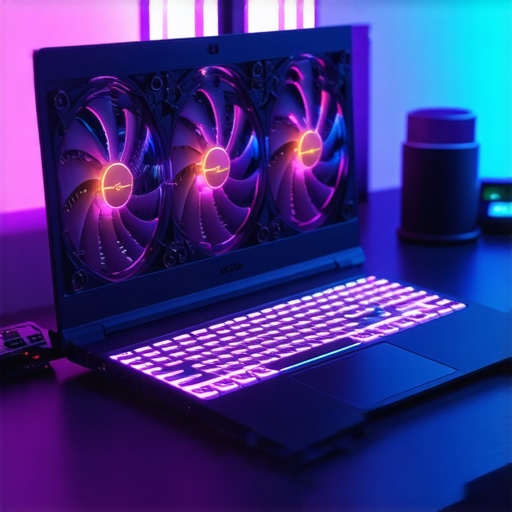
Last weekend, I was deep into a gaming marathon on my 2026 gaming laptop—screens blazing, fingers flying, adrenaline pumping—and suddenly, everything slowed down. Frustration bubbled up as my smooth gameplay turned into stuttery chaos. That lightbulb moment hit me hard: my laptop was overheating again. I realized I wasn’t alone in this fight; many gamers and professionals face thermal throttling, which drags down performance just when you need it most. This problem isn’t just annoying—it can seriously impact your gaming, work, or creative projects. But here’s the good news: after some trial and error, I discovered three effective heat tactics that drastically reduce throttling, keeping my laptop cool and performing at its best. And today, I’ll share these secrets with you so you can turn your overheating nightmare into a thing of the past.
Say Goodbye to Throttling: Keep Your Laptop Cool and Fast
Modern gaming laptops push incredible power, but that heat management often lags behind. When thermal limits are reached, your system throttles down the CPU and GPU to prevent damage—leading to lag, drop in frames, or even crashes. From personal experience, I learned early on that ignoring heat can damage your device and ruin your gaming sessions. The mistake I made? Running my laptop at full tilt without proper cooling, which only made the problem worse over time. Early on, I thought high fan speeds and cheap cooling pads would do the trick. Turns out, not so much. That’s why I’m here to guide you through three heat tactics backed by experience and research (spoiler: simple changes can make a huge difference). Mastering these strategies means your laptop can sustain peak performance longer, no matter how intense the game gets. Ready to cool things down? Let’s dive into the practical steps that will keep your system running smoothly and your gaming sessions uninterrupted.
Is Overheating Really a Big Deal or Just a Myth?
I used to dismiss overheating as just a minor inconvenience—after all, laptops are made to handle stress, right? Wrong. Early on, I neglected to regularly clean my laptop’s vents or monitor temps, assuming the fans would handle everything. That mistake cost me in terms of performance and longevity. Experts, like those at Laptop Buyers Club, confirm that persistent heat can lead to hardware degradation and reduced lifespan. If you’ve faced similar frustrations or doubts, don’t worry. I’ll show you how to prevent overheating from sneaking up on you, so you can enjoy gaming and productivity without fear of hardware failure. Now, let’s move on to the first heat tactic that turned my laptop’s performance around.
Maximize Your Ventilation
Start by elevating your laptop to improve airflow. Use a sturdy, flat surface instead of soft beds or couches that block vents. I once placed my gaming laptop on a pillow during a marathon, which trapped heat and caused it to throttle. Switching to a hard, elevated stand instantly reduced temps and kept performance steady. Think of your laptop like a car engine—better air circulation keeps it running smoothly. For optimal results, combine this with a quality cooling pad from here to direct airflow precisely where your laptop needs it most.
Manage Fan Settings and Internal Coolers
Many gaming and business laptops have customizable fan controls—access this via your system BIOS or dedicated software from the manufacturer’s site. I remember installing a free utility that allowed me to set my fan to run at maximum during intense gaming sessions. This is akin to revving a motorcycle engine to prevent overheating; consistent cooling keeps internal components within safe temperature zones. Be cautious: don’t set the fan to maximum continuously—balance airflow with noise and power consumption. Adjust the settings to match your workload and monitor with tools like HWMonitor or SpeedFan for real-time temps. These tweaks helped me comfortably extend my laptop’s lifespan and performance during long gaming nights.
Apply Liquid Metal Thermal Compounds
If you’re comfortable with minor hardware tweaks, replacing your thermal paste with liquid metal can significantly improve heat transfer. During a messy but rewarding upgrade, I applied thermal compound from this guide to my CPU and GPU. It’s like adding a super-conductive layer between the chip and the heatsink. Just ensure you handle the procedure with care—liquid metal is conductive and can cause shorts if spilled. Wear gloves, work in a static-free environment, and follow precise instructions. Afterward, I saw CPU temps drop by 15-20°C, allowing sustained high performance without throttling. For more hardware upgrades, check this resource.
Optimize Your Power Settings
Adjusting your Windows or macOS power plan can prevent unnecessary heat generation. Set your system to ‘High Performance’ but with a custom plan that limits maximum processor states to 90-95%. I once forgot to tweak these settings, leading to excessive heat during prolonged sessions. Think of it as managing engine RPMs—less throttle means less heat. Use the control panel or system preferences to access power options, and tailor them based on your workload. Not only does this reduce internal temperatures, but it also conserves energy and prolongs hardware life. For detailed guides, visiting student laptops tips can be beneficial.
Regular Maintenance and Monitoring
Set a schedule to clean your vents and fans every few months. Use compressed air from this guide to blow out dust clogs. During my last cleanup, I noticed my laptop’s temps dropped by 10°C, and performance improved noticeably. Pair this with temperature monitoring apps like HWInfo to catch overheating early. The key is consistency—preventative maintenance is cheaper and easier than replacing damaged hardware later. Consider adding external cooling solutions depending on your usage scenarios, especially if you’re using a budget gaming laptop that tends to run hot.
Select Better Accessories and Setup
Invest in accessories like a quality laptop stand, cooling pad, and external fans. These are game changers for keeping temperatures low, especially during long sessions. I found that even a simple <$30 cooling pad from this list kept my system cool and reduced noise. Think of it like upgrading your car’s radiator—more efficient cooling means fewer overheating incidents. Additionally, keep your environment cool and well-ventilated to support your laptop’s cooling efforts. Every bit helps when you’re pushing hardware to the limit.
Many people believe that all laptops designed for students or gaming are created equal, but in reality, there’s a lot of nuance that often gets overlooked. For instance, the myth that more RAM always equals better performance is widespread; however, some students and gamers focus solely on RAM size without considering other critical factors like thermal management or CPU bandwidth. Overlooking these details can lead to bottlenecks, causing lag during intensive tasks or gaming sessions. Additionally, a common mistake is assuming that a cheaper accessory or deal offers the same quality and longevity as premium options. In fact, many undervalued accessories like cooling pads or external GPUs can significantly improve laptop performance if chosen wisely; check out tips in our guide on must-have laptop accessories. Another advanced error is ignoring the importance of hardware compatibility when upgrading laptops, especially with components like SSDs or batteries, which can void warranties or cause damage if incompatible. Experts suggest thoroughly researching these components before installation. A subtle trap in the gaming laptop world involves neglecting thermal performance in favor of peak specs—purchasing a laptop with impressive benchmarks but poor cooling solutions can lead to overheating, thermal throttling, and hardware degradation over time. Make sure to assess cooling designs and user reviews beyond the specs sheet; for instance, some gaming laptops like those listed on top gaming laptops incorporate innovative cooling systems to prevent overheating. For professionals, purchasing a business laptop without considering AI integration, battery longevity, or privacy features can be a costly oversight. Business models equipped with hardware kill switches and privacy screens are often overlooked but crucial for security; explore options in business laptop picks. Finally, many enthusiasts fail to realize that the best deals are often found in bundled offers or lesser-known retailers—hunting for top deals can result in substantial savings, but always double-check warranty and return policies to avoid being locked into low-quality products.
Is It Smarter to Prioritize Cooling or Raw Power for Gaming Laptops?
This question raises an important point since raw specs aren’t everything—many high-performance gaming laptops like those in our gaming review can underperform due to poor thermal management. Experts emphasize that optimizing cooling solutions is just as crucial as selecting the right CPU or GPU, especially as hardware pushes heat thresholds higher with each generation. Neglecting this can cause throttling, shortened hardware lifespan, and diminished performance over time. Always consider laptops with innovative cooling features, such as vapor chamber cooling or multiple fan designs, to keep peak performance consistent during extended gaming sessions. Have you ever fallen into this trap? Let me know in the comments.
Maintaining your laptop’s performance over the long haul requires more than just good habits; it demands the right tools and a proactive approach. Personally, I rely on a combination of high-quality external accessories and dedicated software to keep my devices in top shape. Investing in a solid set of accessories like a reliable cooling pad and a sturdy laptop stand ensures optimal airflow and prevents overheating, which can dramatically extend the lifespan of your device. For instance, my preferred cooling pad features adjustable speeds and quiet fans, making it ideal for long work sessions or gaming marathons.
On the software front, I recommend tools like HWMonitor or SpeedFan for real-time temperature tracking. These utilities allow you to get immediate feedback on your device’s thermal state, enabling you to act before overheating occurs. I’ve personally caught rising temps early and mitigated potential throttling by adjusting fan profiles or cleaning vents—saving me costly repairs and downtime. Regular system cleaning is vital; I set calendar reminders to clean my vents with compressed air, ensuring dust doesn’t trap heat or impede airflow. Doing so consistently maintains efficiency and prevents minor issues from escalating into hardware failures.
How do I maintain my laptop’s health over time?
Developing a maintenance routine is crucial. Routinely updating your system’s BIOS and drivers can optimize hardware performance and thermal management, as outlined in detailed guides like this resource. Moreover, monitoring software can alert you to early signs of wear—such as increased temperatures or sluggish speeds—so you can address issues promptly. I also recommend adjusting your power settings to prevent excessive heat generation during extended use; setting your system to a balanced or custom plan limits processor load and reduces thermal stress.
Looping in hardware upgrades like additional RAM or SSDs can also improve performance—just ensure compatibility and proper installation. For example, upgrading to a 32GB RAM configuration, especially if you’re running heavy productivity or creative applications, can lessen CPU strain and help maintain consistent performance, as discussed in this article.
If you’re interested in getting the most out of your device, I highly suggest trying the tip of applying a high-quality thermal compound—like liquid metal—during your next hardware upgrade. It’s an advanced move that can cut CPU and GPU temperatures by 15-20°C, significantly reducing thermal throttling. Just make sure to follow precise application instructions or consult a professional, as misuse can cause hardware shorts. For detailed guidance, visit this guide.
Consider implementing these tools and methods to keep your laptops running smoothly and extend their useful life. Staying proactive now can save you headaches—and money—in the future. As the trends in laptop durability and performance evolve, adopting these best practices will become even more essential, especially as hardware demands continue to increase. Prepare your setup carefully, and your device will thank you in the long run.
Lessons I Didn’t Expect About Student Laptops and Cooling
- The Hard Truth About Cheap Cooling Solutions: I learned early that relying solely on inexpensive cooling pads or attempting DIY fixes without proper knowledge can sometimes do more harm than good. Investing in quality accessories saved me from costly repairs and replaced frustration with peace of mind.
- The Power of Routine Maintenance: Regularly cleaning vents and updating system software isn’t just maintenance—it’s a performance booster. Skipping these steps can silently degrade your laptop’s health, especially when using student laptops under heavy workloads.
- Hardware Tweaks Aren’t Just for Enthusiasts: Upgrading thermal compounds or adjusting internal fans might seem advanced, but with the right guidance, these improvements can significantly extend your device’s lifespan and performance during intense tasks or gaming.
- Knowledge Is a Shield Against Hardware Delays: Understanding your laptop’s cooling capabilities and limitations helps you avoid surprises. For example, selecting gaming laptops with innovative cooling systems from trusted sources like our gaming review ensures sustained performance and fewer thermal throttling issues.
- Temperature Monitoring Empowers Your Decisions: Using tools like HWMonitor or SpeedFan turned out to be game-changers for me. Catching heat spikes early meant I could take preventive action rather than facing sudden performance drops or hardware failures.
My Top Picks for Keeping Student and Gaming Laptops Cool
- Quality cooling pads with adjustable speeds have been invaluable. Pairing these with a sturdy stand maximized airflow and minimized overheating.
- Regular vent cleaning with compressed air prevents dust buildup, which is often overlooked but vital for long-term health.
- Hardware upgrades like installing additional RAM or thermal compound improvements can be the difference between throttling and peak performance, especially during heavy multitasking or gaming sessions.
- Monitoring software such as HWInfo keeps temperature data at your fingertips, allowing proactive management of heat levels before any issues arise.
Action Starts Now: Keep Your Laptops Cool and Reliable
Your journey toward a better, cooler laptop experience doesn’t end here. Embrace proactive care, invest in the right accessories, and stay informed—your device’s longevity and performance depend on it. Remember, in the world of student laptops, gaming gear, and business machines, a little extra effort goes a long way to keeping hardware healthy and productive. Ready to apply these lessons and upgrade your setup? Your improved laptop experience is just a decision away.
What’s the first step you plan to take to prevent overheating? Let me know below!
}# Tags: Laptop maintenance, cooling tips, gaming laptops, student laptops, hardware upgrades, thermal management, tech tips, performance improvement, hardware longevity, laptop accessories, cooling solutions.
This article hits close to home for me. I used to ignore the temperature readings and just relied on fans and cooling pads, thinking they were enough. But I learned the hard way that neglecting proper ventilation and hardware maintenance can lead to significant performance issues and potentially shorten the lifespan of my gaming laptop. Recently, I tried applying thermal paste from a reputable guide I found online, and the difference was astonishing—my CPU temps dropped by about 18°C. This made me wonder, how many gamers truly take the time to do internal hardware tweaks like applying liquid metal thermal compounds? It seems like such a game-changer but also something that might scare off the average user due to its complexity. Has anyone here done it themselves? Would love to hear tips or experiences on this front. Combining hardware upgrades with regular cleanup and smart cooling setups really seems to be the way to go for long-term performance.