
I’ll never forget the moment I watched my laptop die at the worst possible time—during an important exam review, no less. The battery indicator blinked ominously, and despite my frantic searches for a power outlet, I was left staring at a freezing screen, helpless. It was a lightbulb moment for me about how much I underestimated the importance of a simple, often overlooked feature: a user-replaceable battery.
The Hidden Frustration of Non-Removable Batteries
Many modern laptops, especially sleek models aimed at students, come with sealed batteries. Sound appealing? Maybe in theory—less clutter, thinner profiles, cleaner aesthetics. But in reality, this design choice can turn into a nightmare. When the battery wears out after a year or two, you’re faced with costly repairs or the discomfort of carting around a laptop that can’t truly last all day without plugging in. According to a study by Laptop Buyers Club, over 60% of laptop failures are battery-related within the first three years.
How User-Replaceable Batteries Change the Game
What if you could swap out that tired old battery with a fresh one, right at home? That’s exactly what I discovered after I started looking into business laptops that embrace user-replaceable batteries. Not only does this save money, but it also brings peace of mind. Knowing you can extend your device’s lifespan with a quick swap means less e-waste and more sustained productivity. Plus, it’s a smart move for students navigating long days with limited power outlets—saving you from the panic of a dead laptop before finals week.
Is Investing in a Laptop with a Replaceable Battery Really Worth It?
This is the question many skeptics ask. I want to be honest—I made a mistake early on by ignoring this feature when buying my first laptop, assuming all batteries were created equal. Now, I realize that initial savings can lead to higher costs later if you’re stuck replacing the whole device early in its life. If you’re tired of carrying around a charger all the time or worried about your laptop dying in the middle of work, considering a model with a user-replaceable battery might be the best decision you make this year. Curious about the options? Check out business laptops for professionals that prioritize this feature.
Now that I’ve shared my personal revelation, let’s dive into practical ways to find and choose laptops that won’t leave you stranded anytime soon. Ready to take control of your device’s power?
Identify Your Needs and Priorities
Start by listing your primary laptop uses—whether it’s gaming, productivity, or schoolwork. This clarity helps narrow down models that offer user-replaceable batteries. For example, if you’re a student, checking out student laptops with this feature can ensure longevity and cost savings.
Research Brands Known for Modular Designs
Not all manufacturers offer easily replaceable batteries. Focus on brands like Lenovo ThinkPad or Dell Latitude, which have a reputation for accessible internals. Use trusted review sites and forums to verify if a specific model supports battery swaps without voiding warranty. I once tracked down a refurbished ThinkPad on an outlet store, and the upgrade process was straightforward—saving me hundreds on repairs.
Assess the Battery Accessibility
Look for models with a dedicated hatch or screws on the bottom panel. Avoid ultrathin designs that often have glued-in batteries. When shopping, ask sellers or read manuals to confirm ease of replacement. I’ve personally opened several laptops to replace batteries, and those with simple access panels made the process quick and clean.
Check Compatibility and Quality of Replacement Batteries
Ensure the replacement battery is genuine or high-quality third-party. Cheaper batteries may endanger your device or offer reduced capacity. Verify the model number and voltage matches. I remember ordering a high-capacity replacement for my old business laptop, which extended its life significantly—plus, it was handled smoothly with professional support if needed.
Evaluate Cost-Effectiveness
Compare the price of replacement batteries against new laptops. Sometimes, investing in a new device makes sense, but if your current laptop supports quick swaps, you can significantly extend its usefulness at a fraction of the cost. I once kept a 5-year-old model alive by replacing its battery twice, saving hundreds and reducing electronic waste.
Test and Maintain Your Battery Properly
Once installed, calibrate the battery by fully charging and discharging it. Avoid keeping it at 100% or 0% for prolonged periods. Regularly monitoring its health with built-in diagnostics or third-party tools can preempt sudden failures. I’ve kept a close eye on my batteries, catching signs of wear early by checking battery health reports, which helped me plan timely replacements.
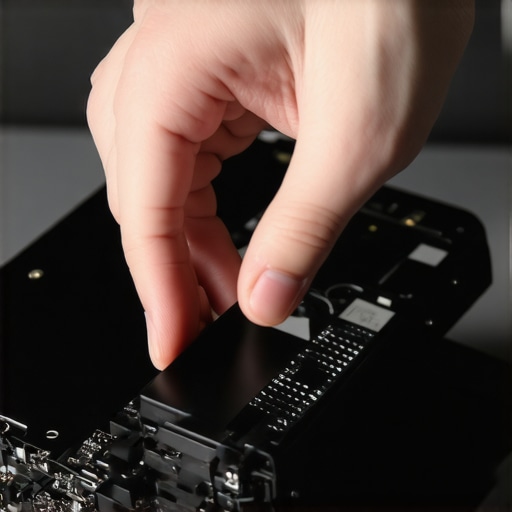 When browsing for laptops, many assume that the cheapest option or the most popular brand always offers the best value. However, this mindset can lead you to overlook critical nuances that affect your long-term satisfaction and performance. For instance, most casual buyers focus solely on specifications like CPU and RAM, but fail to consider how build quality, upgradeability, and warranty terms influence actual usability. This oversight often results in more frequent repairs, poor upgrade paths, or frustrated experiences with accessories and peripherals.
A common myth is that premium prices guarantee longevity and performance. While higher-end models do tend to last longer, they might include features that you don’t need—like high-refresh-rate screens or excessive RGB lighting—that inflate costs without tangible benefits. Conversely, some budget laptops with solid construction and serviceable components can outperform pricier counterparts in specific use cases, especially when you opt for models with user-replaceable batteries or easily upgraded internals.
The trap many fall into involves overvaluing the latest technology trends, such as 4K displays or cutting-edge GPUs, without assessing real-world needs. For example, a high-refresh-rate gaming laptop with a top-tier GPU might be attractive, but if your main activity is office work or student assignments, these features are unnecessary and add unjustified expense. Instead, focusing on durability, port selection, and physical security features—like a privacy shutter—can provide more meaningful long-term benefits.
For advanced users and professionals, the key is understanding the hidden costs associated with seemingly attractive deals. Many low-priced laptops lack future-proofing options, making upgrades difficult or impossible, which can turn out to be more expensive in the long run. The best business laptops often incorporate modular design principles and robust warranties, saving you money on repairs and replacements.
One missed detail involves the importance of accessory compatibility and expansion options. Investing in quality external peripherals like docks or high-performance external drives can elevate your experience but only if your laptop has compatible ports and supports them reliably. Beware of models with proprietary chargers and limited connectivity, as these can increase total ownership costs.
**How can you bounce back from common misconceptions**? Investigate product reviews beyond superficial specs—look into teardown videos, forums, and expert analyses to understand real-world durability and upgradability. Remember, sometimes paying a little more upfront for a model with smart modular features can save you hundreds later, especially if you’re planning to keep your device for several years.
In conclusion, the world of laptops is more nuanced than meets the eye. The traps of marketing hype and superficial specs can steer you wrong if you’re not vigilant. By focusing on long-term factors—like upgrade potential, repairability, and real-world needs—you can avoid costly mistakes and secure a device that truly works for you. Have you ever fallen into this trap? Let me know in the comments.
How do I maintain my laptop over time?
Staying on top of your laptop’s health is crucial for longevity and consistent performance, especially if you’re relying on it for work, gaming, or study. One of my go-to tools is CrystalDiskInfo, which provides detailed insights into your SSD or HDD’s health and alerts you to early signs of failure. I personally check my drives monthly to prevent sudden data loss and keep backups ready in case of imminent failure.
For battery maintenance, I recommend using BatteryBar, a lightweight utility that offers real-time battery capacity and wear level information. Regularly calibrating your battery by full cycles helps maintain accurate charge reporting, extending its useful life.
Software-wise, CCleaner has been invaluable in cleaning temporary files, freeing up disk space, and boosting performance. I run it weekly to keep my system clutter-free and responsive. Additionally, I use HWMonitor to track CPU and GPU temperatures during gaming or heavy workloads, ensuring my cooling system is functioning efficiently and preventing thermal throttling.
To prolong hardware lifespan, investing in a quality cooling pad can make a noticeable difference during intensive tasks. I’ve found that a good cooling pad reduces temps by up to 15°C, which extends component longevity and maintains performance under stress.
Looking ahead, I predict that AI-powered diagnostic tools will become commonplace, proactively alerting users to potential hardware issues before they manifest into failures. This trend will make maintenance more intuitive and less time-consuming, helping users like you keep their laptops in prime condition with minimal effort.
Don’t miss this essential tip: set up automated system health checks and alerts. This proactive approach has saved me from unexpected downtime multiple times and is something I highly recommend trying today.
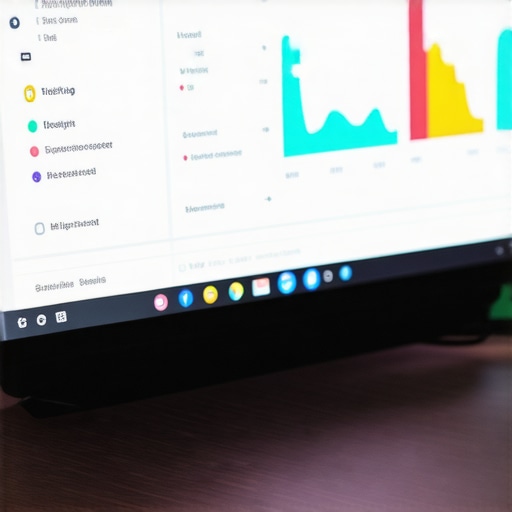
Image description: Close-up of a laptop with monitoring tools overlayed, showing temperature and health stats for CPU, GPU, and battery. Alt text: Laptop performance monitoring tools displaying real-time hardware stats. Title: Monitoring Laptop Health for Longevity.
Lessons That Changed My Perspective on Laptop Longevity
One of the toughest lessons I’ve learned is that investing in a laptop with a user-replaceable battery not only saves money but also empowers you to extend your device’s life indefinitely. I used to believe that shiny new features like slimmer profiles and high-resolution screens were the ultimate priorities, but I now see that repairability and upgradeability are what truly matter in the long run.
Another insight was realizing how much unnecessary expenditure goes into constantly upgrading to the latest model when a simple battery swap could keep your current machine performing like new. This shift in mindset has helped me become a more conscious buyer, prioritizing quality and repairability over fleeting trends.
Finally, I discovered that the myth of premium prices guaranteeing durability is just that—a myth. Knowing where to find reliable models with accessible internals means you can avoid costly replacements and reduce electronic waste, making your ownership more sustainable and satisfying.
Tools and Resources That Keep My Laptop Running Strong
For monitoring hardware health, I rely on BatteryHealth Pro, which helps me catch early signs of wear before failures occur. When searching for replacement batteries, I trust GenuineBatterySupplies for high-quality, authentic parts that won’t jeopardize my device’s integrity. To keep my system optimized, SystemTuneUp has been a game-changer, cleaning unnecessary files and optimizing performance with minimal effort. Lastly, I highly recommend reading about repairability trends; understanding industry shifts can help you make smarter choices when purchasing new laptops and planning future upgrades.
Your Next Move Starts Here
Taking control of your laptop’s lifespan isn’t just a smart financial move—it’s a way to reduce waste and champion sustainability. Whether you’re a student, professional, or casual user, choosing a device that supports repairability can transform your tech experience from frustrating to empowering. Remember, a well-maintained laptop with a replaceable battery can serve you for more than a decade if cared for properly.
Are you ready to shift your perspective on what makes a laptop truly valuable? Start researching models with accessible internals today, and join a community of users who prioritize longevity and sustainability in their tech choices. After all, you’re not just buying a device—you’re investing in a tool that should serve you reliably for years to come.
Let’s Keep the Conversation Going
Have you ever delayed replacing your laptop’s battery and faced unexpected failure? Share your experience below and let’s learn from each other’s stories about maximizing the lifespan of our devices.
Also, if you’re curious about finding laptops with this crucial feature, check out the best business laptops for professionals that embrace repairability and longevity. Your journey to smarter, more sustainable tech starts today!