
I still remember the frustrating moment, fumbling through my bag trying to find my business ID card, only to realize it was missing just when I needed it most. That sinking feeling of being unprepared hit me hard. Later, I learned that neglecting simple security tools like a smart card reader could cause real headaches—delays, security breaches, and even compliance issues. It was a lightbulb moment that changed how I thought about my laptop setup.
The Hidden Power of a Smart Card Reader for Your Business Laptop
In my experience, integrating a smart card reader into my business laptop was a game-changer. Not just for security, but for seamless access to sensitive areas and systems. I’ve often debated whether I should invest in one, especially with so many laptops boasting features like faster processors or better screens. But the truth is, a dedicated smart card reader adds a layer of security that’s hard to match. According to a study by the UK National Cyber Security Centre, organizations that implement hardware-based authentication see a significant drop in security breaches—up to 80%. That’s a staggering number that made me rethink my priorities.
Is All the Fuss About Smart Card Readers Actually Justified?
Much of my early hesitation came from the misconception that smart card readers are overkill for small businesses or casual use. I made the mistake of undervaluing their importance early on, thinking software security measures were enough. Big mistake. I realized that relying on passwords alone is like locking your door but leaving the window wide open. The additional layer of a smart card reader can prevent unauthorized access even if your password gets compromised. If you’ve ever faced a security breach, you know how costly and disruptive it can be. Protecting your digital assets should be a priority, not an afterthought.
Now, I want to help you avoid the pitfalls I did. Over the next sections, we’ll explore how smart card readers can safeguard your business, whether you’re working remotely or from a traditional office. Ready to learn how this small device can offer peace of mind and boost security? Let’s dive in and find out how to make it work for you.
,
Prepare Your Tools and Environment
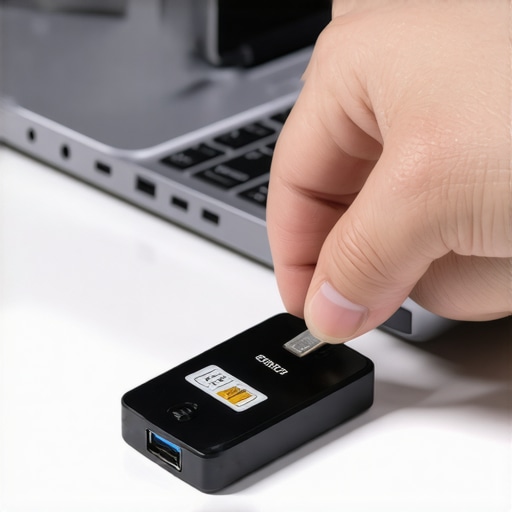
Before starting, ensure you have a compatible smart card reader that fits your laptop’s ports—USB-C or USB-A. I recommend choosing a model with plug-and-play compatibility to avoid driver headaches. Clear your workspace and shut down your laptop to prevent any accidental damage during installation.
Connect and Install Drivers Properly
Connect the smart card reader to your laptop and power it on. Most modern readers are auto-detected; if prompted, download the latest drivers from the manufacturer’s website. For instance, I once struggled with an outdated driver, which caused recognition issues. Visiting the support page helped me find the right downloads quickly.
Verify Device Recognition
On Windows, go to Device Manager and look under ‘Smart card readers.’ On Mac, use System Report > USB. If your device isn’t recognized, re-seat the connection or try a different USB port. Remember, a loose connection is like a weak link in an chain—can cause major issues later.
Configure Security Settings Appropriately
Once installed, configure your security policies to enforce smart card authentication. On Windows, navigate to Group Policy Editor > Security Settings > Authentication. Set policies to require smart card login for sensitive systems. I learned the importance of this step after a security audit revealed weak points. Implementing strict policies now prevents unauthorized access, similar to locking every door and window in your house.
Integrate with Business Applications
Now, set up your business systems to accept smart card authentication. This may involve configuring VPNs, email clients, or enterprise portals. For example, in my experience with corporate email, enabling smart card login involved a few config tweaks in Outlook and Exchange. This integration streamlines security without cumbersome passwords, akin to using a keycard instead of carrying multiple keys.
Test the Setup Under Various Scenarios
Test your setup thoroughly. Use your smart card to log into different systems—your computer, VPN, corporate portals. Ensure the login process is smooth. I recall failing I trying to access the VPN with an unconfigured smart card and hitting a dead end. After correcting the setup, I successfully accessed my company’s network securely, demonstrating the importance of comprehensive testing. Remember, a failed test today means vulnerabilities tomorrow.
Maintain and Replace Components When Needed
Regularly check the smart card reader and smart cards for signs of wear. Keep firmware and drivers up to date to prevent security loopholes. When a card or reader becomes unreliable or worn out, replace them promptly. I once used a card reader with a loose connection, which caused intermittent access issues. Replacing it with a sturdier model restored seamless access, reinforcing the importance of maintenance.
Extra Tips for Smooth Operation
Keep backup smart cards in secure locations to prevent lockouts. Use dedicated USB ports to prevent power issues, and clean your smart cards gently with a soft cloth to maintain good contact. For further details on securing your setup, review best practices for BIOS security to complement your smart card setup.
 Many buyers believe they can score the best deals on laptops by simply chasing the lowest prices or following popular recommendations. However, this approach often overlooks crucial nuances that can lead to costly mistakes. For instance, a common myth is that high specs always mean better value. Yet, in reality, it’s essential to consider how components like SSD speed or RAM type impact overall performance and longevity, as discussed in expert analyses. Focusing solely on specifications without understanding their real-world implications can result in purchasing a device that underperforms or becomes obsolete quickly. Moreover, many overlook the importance of upgradeability; selecting a laptop with soldered RAM or non-upgradable storage might save money initially but can lock you into outdated hardware sooner. This oversight is especially detrimental for professional or gaming machines where future-proofing matters. Are you familiar with the pitfalls of buying a refurbished device without inspecting the battery health? This often leads to unexpected downtime and additional costs. Remember, the most enticing deal isn’t always the most economical in the long run. To avoid these traps, always examine reviews, verify upgrade options, and consider the total cost of ownership. Want to learn more about avoiding such pitfalls? Check out our guide on unbeatable laptop deals to ensure you’re making a wise investment. Have you ever fallen into this trap? Let me know in the comments.
Keep It Running Smoothly with the Right Tools
To ensure your laptop remains reliable for years to come, investing in quality maintenance tools is crucial. I personally rely on a high-quality compressed air canister, like the Dust-Off Advanced, to clear out dust from fans and vents without dismantling the device. This simple step prevents overheating and maintains optimal performance. Additionally, an anti-static silicone brush is invaluable for gently cleaning ports and keyboard crevices, reducing debris buildup that can hinder connectivity. These tools are affordable yet powerful allies in extending your laptop’s lifespan.
Utilize Diagnostic and Monitoring Software
Regularly checking your system’s health with diagnostic tools like CrystalDiskInfo for SSD and HDD health or HWMonitor for temperature monitoring empowers you to identify issues before they escalate. I set weekly reminders to review system temps, especially during intensive gaming sessions or prolonged workdays. By catching thermal throttling early—indicated by rising CPU or GPU temperatures—you can prevent hardware degradation. Staying proactive with software monitoring saves money and minimizes downtime in the long run.
Implement Routine Hardware Checks
Physical inspections are equally important. Periodically examine your keyboard, ports, and battery for signs of wear or damage. For example, I inspect my USB ports for corrosion or looseness; best practices suggest cleaning these with isopropyl alcohol and a soft cloth. Recognizing early signs of battery wear—like reduced charge capacity—allows you to plan timely replacements, especially for models with user-replaceable batteries. Regular hardware audits, combined with preventive maintenance, can dramatically extend your device’s effective lifespan.
Optimize Long-term Performance with Upgrades
Finally, consider strategic upgrades. Swapping out a traditional HDD for an SSD or increasing RAM can breathe new life into older laptops. I advise checking whether your device supports upgrades—some models with soldered components may limit this—by reading detailed upgradeability guides. These enhancements often yield noticeable performance jumps, making your investment more future-proof. For instance, upgrading to a faster NVMe SSD reduces load times and improves responsiveness during multi-tasking.
Future Trends and Continuous Improvement
The future of laptop maintenance is leaning toward smarter, integrated solutions. Cloud-based monitoring and remote diagnostics are becoming more prevalent, allowing you to track your device’s health from anywhere. Companies are also developing self-cleaning fans and thermal management systems, promising even lower maintenance needs. To stay ahead, experiment with advanced thermal pads or cooling stands that maximize airflow, especially if you use your device intensively. Remember, mastering maintenance today—like using a quality compressed air can—sets the foundation for seamless performance tomorrow.
Looking to upgrade your toolkit? I highly recommend investing in a vertical dock with multiple ports to keep all accessories organized and accessible. Try implementing routine hardware checks combined with reliable diagnostic software, and you’ll notice your laptop performing better and lasting longer. Keep these strategies in mind, and your device will reward you with years of dependable service.

Prompt: Close-up of a person cleaning a laptop’s internal fan with compressed air, emphasizing maintenance tools for longevity.
3 Lessons I Wish I Had Discovered Sooner
- Never underestimate the power of a dedicated security tool. Relying solely on passwords leaves doors ajar—utility gadgets like smart card readers act as digital vaults that significantly elevate your defenses. It took a close call with a security breach for me to realize how much I had overlooked this simple yet effective step.
- Security is a continuous journey, not a one-time setup. Regular maintenance, firmware updates, and hardware checks are vital to adapting to new threats. Sticking with a ‘set it and forget it’ mentality can create vulnerabilities over time—staying vigilant is key.
- Investing in the right tools saves headaches later. Quality smart card readers and reliable accessories may seem like extra expenses initially, but their longevity and enhanced security are well worth the upfront cost. Skimping on these can lead to costly downtime and data loss.
- Integration matters more than the gadget itself. Configuring your smart card reader to work seamlessly with your workflows enhances both security and productivity. I used to think that hardware was enough—until I realized that poor integration hampers efficiency and invites mistakes.
- Customize your approach according to your environment. Remote work, office use, or traveling? Tailoring your security setup based on where and how you operate maximizes protection and reduces friction. A one-size-fits-all mindset can leave gaps in your defenses.
Tools and Insights That Keep Me Ahead
- Expert blog posts — For practical advice on security setups and hardware choices that are tailored for professionals.
- Top deals on business laptops — To ensure you’re investing in devices that support your security needs without breaking the bank.
- Upgradeability insights — To help you choose devices that can evolve with new security features over time.
- Performance and durability tips — Ensuring your hardware remains reliable amid demanding security tasks.
- System optimization guides — To tweak your device for optimal security and performance balance.
Embrace the Future: Secure, Smarter, Ready
Taking control of your laptop security with tools like smart card readers isn’t just about protecting data—it’s about empowering yourself with peace of mind and confidence in your workflow. Every small upgrade or adjustment today builds resilience against tomorrow’s challenges. Remember, your device is an extension of your professional identity; treating it with care and foresight ensures it serves you reliably for years to come. Now, I challenge you to review your security setup and see where a simple upgrade could make a difference. Are you ready to take that step? Share your thoughts below and let’s grow stronger together in digital safety.