
I still remember the day I thought I was being efficient by stuffing two 15-inch [business laptops](https://laptopbuyersclub.com/business-laptops-for-professionals-essential-picks-2025) into a single-strap messenger bag. By the time I reached the subway station, my left shoulder was numb and my neck felt like it was being twisted by a professional wrestler. I was lopsided, sweating through my shirt, and honestly, a bit of a mess. It was a classic rookie mistake that many of us make when we are trying to balance work and play. Whether you are a developer hauling a testing machine or a student needing power for projects, that weight adds up fast. I have spent years testing different [laptop accessories](https://laptopbuyersclub.com/must-have-laptop-accessories-to-boost-your-work-setup) and bag configurations to find the sweet spot where utility meets ergonomics. Trust me, your back does not have to pay the price for your productivity. [IMAGE_PLACEHOLDER]
Stop Thinking Like a Commuter and Start Thinking Like a Hiker
The biggest shift for me happened when I stopped looking at fashionable bags and started looking at how much weight I was actually carrying. Most people do not realize that [student laptops that balance power and portability](https://laptopbuyersclub.com/student-laptops-that-balance-power-and-portability-perfectly) can still weigh three or four pounds each, and when you add chargers, you are looking at a ten-pound brick against your spine. I used to just toss them in and hope for the best. That was my first big error. I did not account for the pull that happens when weight sits too far from your body. According to ergonomic experts at the Cornell University Ergonomics Web, the load should ideally be kept as close to the back as possible to minimize the stress on your spinal discs.
Is it even possible to carry two machines without destroying your spine?
I get the skepticism. You are probably thinking that no matter what you do, ten to fifteen pounds is still ten to fifteen pounds. And you are right; the weight does not disappear. But how that weight is distributed makes the difference between a productive day and a week of ibuprofen. I found that [the best way to travel with a large gaming laptop](https://laptopbuyersclub.com/the-best-way-to-travel-with-a-large-gaming-laptop) alongside a thin work machine is not just about the bag—it is about the internal organization. Have you ever felt that sharp pinch between your shoulder blades after a long commute? That is the exact problem we are going to solve today.
The Compartment Rule I Wish I Knew Sooner
Early on, I used a bag with one giant pocket and just slid both laptops in there. They clanked against each other, scratched the lids, and—worst of all—all that weight shifted to the bottom of the bag, pulling my shoulders backward. Now, I always look for bags that offer dual padded sleeves. If you are hunting for [unbeatable laptop deals](https://laptopbuyersclub.com/unbeatable-laptop-deals-save-big-on-quality-devices-today), make sure you are not sacrificing the quality of the harness system just to save a few bucks. A good harness with a chest strap is a game-changer because it keeps the bag from swaying. If you have ever tried to run for a bus with two laptops flopping around, you know exactly what I mean. Have you ever had a bag strap snap on you mid-commute? It is a nightmare I would not wish on anyone. Let us look at how we can actually pack these things the right way.
Load the Heavy Hitter Closest to Your Spine
Think of your backpack like a lever. The further the weight sits from the pivot point (your back), the more torque it applies to your shoulders. When you are packing business laptops for professionals alongside a secondary machine, the heaviest unit must always go in the sleeve immediately against the back panel. If you put a heavy gaming rig in the outer pocket and a slim ultrabook in the inner one, the heavy machine will constantly pull the bag away from you, forcing your neck muscles to compensate. I once tried to shortcut this by sliding my 17-inch workstation into the main compartment while keeping my student laptops that balance power in the padded sleeve. By the time I walked three blocks, I felt like someone was standing on my collarbones. Now, I prioritize the ‘spine-first’ rule religiously. 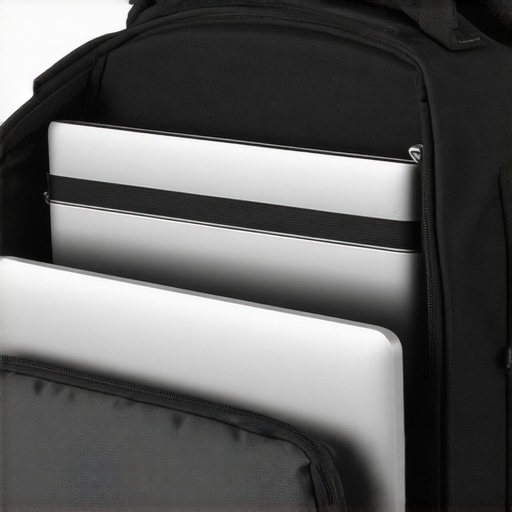
Lock Everything Down to Prevent the Sway
Static weight is manageable; shifting weight is a disaster. Every time you take a step, two unsecured laptops create a pendulum effect inside your bag. This is why high-quality must-have laptop accessories like compression straps or internal dividers are non-negotiable. If your bag has those little elastic Velcro tabs over the laptop sleeves, use them. If it doesn’t, use a sweatshirt or a sleeve to fill the gaps. You want the laptops to be part of the bag, not just things inside it. When you travel with a large gaming laptop, any wiggle room allows that five-to-seven-pound slab to build momentum with every stride. This momentum is what causes those sharp, shooting pains in your lower back.
Manage Your Bricks Before They Manage You
The laptops are only half the battle. The ‘bricks’—those chunky power adapters—often weigh as much as a third machine. Stop tossing them into the bottom of the bag. When they sit at the very bottom, they pull the base of the backpack away from your lumbar, creating a gap that ruins the ergonomic design of the harness. I started using small tech pouches to keep my chargers in the middle of the bag, sandwiched between the laptops or held high in an internal mesh pocket. If you are dealing with multiple peripherals, looking into the only 3 USB-C docks that consolidate your needs can actually reduce the physical clutter you have to carry.
The Sternum Strap is Your Best Friend
I used to think chest straps were only for serious hikers or people who wore zip-off cargo pants. I was wrong. A sternum strap pulls the shoulder straps inward, shifting the weight off the sensitive outer edges of your shoulders and onto the center of your chest and torso. It stabilizes the entire load. One winter in Boston, I had to trek through a mile of slush with two machines and a portable monitor. Without that chest strap, the bag would have been sliding off my puffy coat every thirty seconds. Instead, I could actually keep my hands in my pockets and maintain my balance. It turns a chore into a manageable commute. Just remember to check your settings before you leave; if your laptop screen looks yellow or the battery is drained because it didn’t sleep properly, all that physical effort of carrying it was for nothing.
Stop Over-Protecting and Start Weight-Cutting
Most people think that more padding automatically equals better protection, but in my experience, bulky ‘tactical’ bags are actually your worst enemy. They often add three or four pounds of ‘dead weight’ before you even slide a machine into the sleeve. I have found that the best laptop bags that don’t scream steal me are superior because they utilize high-density foam which offers better impact resistance with half the thickness. Let’s dig deeper into the most common ‘Oops’ factor that kills dual-laptop setups: unexpected heat build-up. Have you ever reached into your bag and found your machines burning hot? This usually happens because Windows ‘Modern Standby’ glitches, and your business laptops for professionals decide to run background updates while sealed in a padded tomb. It is essentially the same thermal trap as why you should never use your laptop on a soft blanket—zero airflow leads to throttled performance or hardware damage. Always force a full shutdown if you are stacking machines back-to-back. 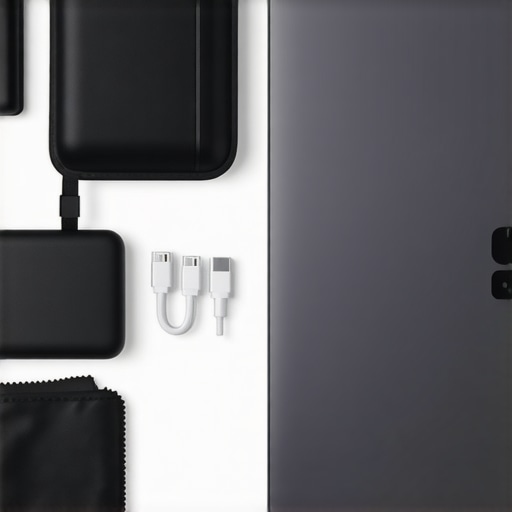
Can One Charger Safely Power Two Different Machines?
This is the nuance most people miss while hunting for unbeatable laptop deals. You do not actually need to carry two separate, heavy power bricks. A single high-wattage Gallium Nitride (GaN) charger can usually juice up both your work ultrabook and your student laptops that balance power simultaneously. However, the dangerous trap is buying uncertified knock-offs that lack proper power delivery (PD) negotiation. You must learn how to find a replacement charger that won’t fry your board to do this safely. According to Dr. Scott Bautch of the American Chiropractic Association, the total weight of a backpack should never exceed 10% of your body weight. Consolidating your must-have laptop accessories into a single multi-port hub is the only way to stay under that limit when you are also hauling heavy game-changing gaming laptops for serious players in 2025. Even a tiny detail like why we still carry a microfiber cloth becomes an ‘expert move’ in a dual-laptop bag; placing it between the two chassis prevents the pressure of the bag from grinding the keyboard of one machine into the screen of the other. Have you ever fallen into this trap of carrying way too much ‘just in case’ gear? Let me know in the comments.
Even with the perfect bag and weight distribution, your machines are essentially living in a high-vibration, high-friction environment every single day. I have learned the hard way that dust and lint from your backpack will find its way into every port and hinge. If you are regularly swapping between business laptops for professionals and a secondary unit, you are doubling the maintenance work. I used to ignore the small stuff until a USB-C port on my primary machine stopped charging because a tiny piece of pocket lint had been compressed into the socket by my charger. Now, the $10 tool every laptop owner should keep in their desk—a simple plastic dental pick or specialized port cleaner—is my first line of defense. Keeping your hardware physically clean is not just about aesthetics; it is about preventing the electrical failures that occur when debris causes a short or prevents a solid connection.
How do I keep my multi-laptop setup running like new for years?
The secret is a scheduled ‘hardware audit’ every three months. I personally open up my machines to clear out the cooling fans. This is especially vital if you travel with a large gaming laptop, as those high-RPM fans act like vacuum cleaners for every carpet fiber and dust mote in your hotel room. If you are nervous about cracking the case, you should look up how to find official repair guides for your exact model to ensure you do not snap any plastic clips. According to the Lenovo Hardware Maintenance Manuals, which I consider the gold standard for technical documentation, using specific torque patterns when re-seating a bottom cover can actually prevent chassis flex and long-term motherboard stress. I follow these guides religiously. This prevents the dreaded situation where your gaming laptop starts thermal throttling because of a tiny blockage you could have cleared in five minutes.
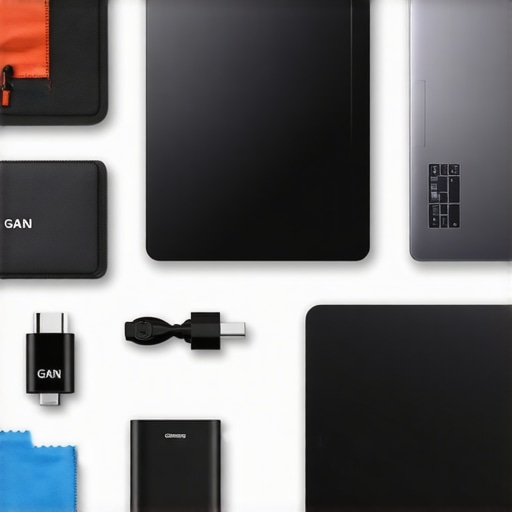
Software Hygiene for the Multi-Device User
Managing two machines also means managing two operating systems, which can be a sync nightmare. I avoid using two separate cloud storage services; I pick one and stick to it across all student laptops that balance power and portability. Furthermore, I recommend a routine ‘kill-task’ on both machines before they go into your bag. I’ve found that even though Windows claims to handle sleep well, certain background processes for must-have laptop accessories like older mouse drivers can keep the CPU awake. This results in the ‘toasty bag’ syndrome. If you are constantly finding your laptop battery at 40% when it should be full, the reason your laptop battery won’t charge or stay charged is often these ‘zombie’ apps. I predict that within the next three years, we will see a major industry shift toward fully modular internal components across all categories. We are already seeing why your next business laptop needs a user-replaceable battery, and I expect gaming and student models to follow suit as repairability laws tighten. My advice? Start building your toolkit now. Buy a high-quality GaN charger today and see if you can consolidate your power needs into one brick—it’s the single best weight-saving move you can make right now.
The Hardest Lessons I Learned Carrying a Desktop Worth of Tech on My Back
After years of hauling multiple machines, I realized that the real challenge isn’t just the physical weight, it is the mental load of managing two environments. First, I stopped trying to carry every single cable. If you are constantly hunting for unbeatable laptop deals, look for machines with standardized USB-C charging so you can consolidate. I also learned that ‘bag fatigue’ is cumulative; what feels fine at 8 AM will feel like a lead weight by 5 PM. I started prioritizing why 14-inch screens are the gold standard for commuters because every half-pound saved in chassis weight equates to miles of extra comfort over a month of travel.
Another lightbulb moment was realizing that my peripherals were as heavy as my machines. I swapped my heavy mechanical deck for quiet laptop keyboards for late night study that weigh a fraction of the price and space. Finally, never trust ‘sleep mode.’ I have had more than one scare where a laptop in a dual-stack configuration woke up and overheated because it was pressed against another warm machine. Now, it is full shutdown or nothing.
My Essential Toolkit for Keeping Everything Running
I don’t leave the house without a few specific items that save my hardware and my sanity. First, the $10 tool every laptop owner should keep in their desk is actually in my bag—a simple microfiber cloth and a plastic spudger to keep ports clear of debris. For power, I rely on a 100W GaN charger; it is the only way to safely feed business laptops for professionals and a gaming unit simultaneously without carrying a five-pound power brick.
I also keep a bookmark for how to find official repair guides for your exact model on my phone. If a screw rattles loose or a fan starts clicking while I am in a coffee shop, I know exactly how to handle it without panic. Lastly, I always keep a dedicated hub like the only 3 USB-C docks that handle high data transfers, ensuring that moving files between my two systems doesn’t take all afternoon.
Your Back Will Thank You Tomorrow
Taking the time to organize your bag properly isn’t just about being tidy; it is an investment in your physical health. When you balance your student laptops that balance power and portability correctly against your spine, you reclaim the energy you used to spend fighting your own backpack. You deserve to be productive without being in pain. It is entirely possible to carry a powerhouse mobile office if you respect the physics of the load and the needs of your hardware. Now that you have the blueprint, go ahead and reorganize that bag today—your future self is already grateful. What is the heaviest gear setup you have ever had to haul across town? Let me know in the comments below!