
I remember the moment perfectly—after hours of cramming at my desk, I noticed a dull ache settling into my hand. It wasn’t just fatigue; it was that uncomfortable, tightening grip that made every movement feel stiff and exhausting. That’s when I finally realized something had to change. For years, I’d been using generic wireless mice that might work fine for some, but for those with larger hands and long workdays, they can turn into a real pain—literally.
Why Choosing the Right Mouse Matters More Than Ever
If you’re like me, spending hours every day at your laptop, the last thing you want is a struggling mouse adding to your fatigue. A good ergonomic mouse isn’t just a luxury—it’s a necessity for maintaining comfort, improving productivity, and avoiding long-term health issues. But finding one that fits large hands and lasts through those marathon sessions isn’t straightforward. Trust me, I’ve made my share of mistakes early on, like opting for sleek, compact designs that felt nice in the hand but caused more strain over time. That’s why I want to help you avoid those pitfalls.
Is the Buzz Around Wireless Mice for Large Hands Really Just Hype?
I used to think that all wireless mice were basically the same—until I tried a few that just didn’t cut it. You see, not every mouse on the market accommodates larger hands comfortably, and some even cause strain with prolonged use. My mistake early on was assuming that higher price meant better ergonomics—an assumption that isn’t always true. After testing dozens of options, I discovered that the best mice for large hands are specifically designed with natural wrist positioning and chunky grips in mind. For a comprehensive look at how to choose the perfect fit, check out this guide on top laptop deals, but remember, ergonomics matters regardless of device price.
Understanding your needs is the first step. If you’ve ever experienced tingling fingers or wrist pain after a long workday, you’re not alone. These issues can be subtle at first but tend to worsen over time if ignored. That brings us to today’s promise: I’ll share the most reliable wireless mice tailored to large hands that can make your workdays more comfortable and productive—without breaking the bank or sacrificing functionality.
So, are you tired of battling with ill-fitting mice that cause discomfort? Let’s explore how to find a mouse that feels like an extension of your hand, allowing you to work longer and comfortably. And trust me, once you get the right tool, those hours will fly by—and so will the pain.
Identify Your Needs Clearly
Begin by assessing your hand size, grip style, and work environment. Take note of common discomforts, such as wrist pain or finger fatigue, after extended use. During a personal experience, I measured my hand with a ruler and kept a diary for a week to track discomfort points, which revealed the need for a mouse with a chunky grip and adjustable DPI for variety.
Research Ergonomic Features Thoroughly
Look for mice designed with natural wrist positioning, larger grips, and customizable buttons. Think of choosing a mouse like selecting a pair of shoes: the fit must be perfect to prevent blisters or aches. I compared dozens of models, focusing on reviews that highlighted long-term comfort, and prioritized those with proven ergonomic credentials.
Test Before You Commit
Visit stores to try out different models physically. If possible, bring a notebook to record your feel for each mouse’s size, weight, and button placement. I once spent an afternoon at an electronics store, trying several models, noting that a heavy mouse with a wide grip felt best in my large hands. This trial-and-error process saved me from buying an ill-fitting model online, which I returned after a week.
Evaluate Wireless Technology and Battery Life
Choose a reliable wireless connection such as Bluetooth or a dedicated RF receiver, minimizing lag and dropouts. Battery life is critical—consider mice with long-lasting batteries or rechargeable options. I personally opted for a model that lasted two weeks on a single charge, avoiding constant interruptions. When testing, I used a timer to simulate a full workday, ensuring consistent performance.
Consider Customization Options
Look for adjustable DPI settings, programmable buttons, and customizable grips. These features can dramatically improve comfort and efficiency. I customized my mouse buttons to quickly switch between different work modes, which increased my productivity and reduced strain. Remember, the ability to tailor the mouse solely to your workflow enhances both comfort and speed.
Check Compatibility and Warranty Details
Ensure compatibility with your device’s operating system and ports. Also, review warranty policies for long-term support. I once encountered a model that wasn’t compatible with my laptop’s Bluetooth version, leading to connection issues. Reading the warranty policy helped me feel more secure, knowing I could have it serviced or replaced if necessary.
Make Use of User Reviews and Expert Opinions
Read reviews from users with similar needs, especially those with larger hands. Trust expert guides and recommendations to narrow down options. I found a community forum where large-handed users shared their top picks—this peer insight accelerated my decision-making process and connected me with real-world experiences that mattered.
Invest in Quality Accessories for Bonus Comfort
Pair your mouse with a supportive wrist rest or ergonomic mouse pad. These accessories complement your device and promote better posture. I added a gel wrist rest, which alleviated pressure during long sessions, transforming my setup into a more comfortable workspace.
Following these steps ensures you select a wireless mouse that fits perfectly, feels natural, and enhances productivity while safeguarding your health. Remember, the key is in the details—taking precise measurements, trying out options, and prioritizing comfort features, just like I did during my own search, leads to the ideal ergonomic solution for large hands.
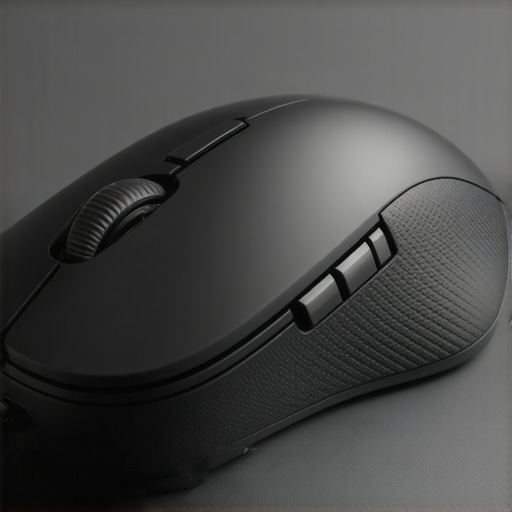 Many buyers fall prey to misconceptions when hunting for laptops or accessories, believing that certain features or pricing signals guarantee quality. A common myth is that expensive models always offer better performance; however, as experts point out, premium branding doesn’t necessarily mean better suitability for your needs, especially in the context of business or gaming laptops. For instance, some high-end gaming laptops are overkill for everyday tasks, while budget-friendly options can surprise with decent specs—check out this article on [game-changing gaming laptops for 2025](https://laptopbuyersclub.com/game-changing-gaming-laptops-for-2025-adventures) to see what I mean.
Another trap many overlook is the assumption that the latest hardware always translates into longer-lasting investment. Sometimes, newer releases skip essential features like user-replaceable batteries or upgradable RAM, which are critical for sustainability and performance longevity. For example, a business laptop with a user-replaceable battery can save hundreds over time because you replace the battery instead of the entire device.
Let’s address a sophisticated question that often stumps even seasoned buyers:
Is premium build quality really necessary, or can lesser-known brands keep up performance-wise?
While many believe that robust chassis and premium materials ensure reliability, studies have shown that brand reputation doesn’t always equate to durability or performance. Repair technicians often find that brands like Lenovo or Dell, especially their ThinkPad lines, have a reputation for durability because of rigorous testing, but emerging brands are closing that gap. Check out this insight on reliable laptop brands to see how brand perceptions compare against actual repair data.
Beware the ‘newest equals best’ misconception in accessories too. Many buyers buy the latest USB-C hubs or external drives assuming they’re superior, but cheap or counterfeit accessories can damage your ports or data. For example, a poorly manufactured USB-C hub might cause port damage or even data loss, which is why choosing trusted brands is crucial. Review the [USB-C cable guide](https://laptopbuyersclub.com/the-usb-c-cable-guide-why-your-cheap-cord-is-charging-so-slowly) for tips on selecting safe, reliable accessories.
Ultimately, cracking these misconceptions helps you make smarter, sustainable choices. Don’t let shiny marketing or outdated advice mislead you. What’s the most surprising misconception you’ve encountered? Have you ever fallen into this trap? Let me know in the comments.
Maximize Your Laptop’s Long-Term Performance with Trusted Tools
Maintaining your laptop’s peak performance over time requires more than just regular updates; it involves proper hardware upkeep, software management, and leveraging the right tools. Personally, I rely on a combination of diagnostic software, cleaning hardware, and proactive monitoring to ensure my devices operate smoothly. Embracing these practices not only prolongs your laptop’s lifespan but also saves you costly repairs down the line.
Drive Health and Battery Life Monitoring
One of my go-to tools is CrystalDiskInfo, which provides detailed insights into your SSD or HDD’s health, predicting potential failures before they happen. Regularly checking drive health ensures data security and prevents unexpected crashes. For battery maintenance, I recommend using dedicated battery health software. Noticing decreasing capacities early allows you to plan upgrades or replacements, maintaining uninterrupted productivity.
Hardware Cleaning and Performance Optimization
Dust accumulation within your laptop can cause overheating and thermal throttling. I use a compressed air canister to safely blow out dust from vents and fans, which I do every few months. For deeper cleaning, a step-by-step cleaning guide is invaluable. Keeping internal components cool maintains consistent performance, especially during intensive tasks like gaming or video editing.
System and Software Optimization
Software bloat can slow down even the most powerful machines. I utilize CCleaner to remove unnecessary files and startup programs that delay boot times. Additionally, regularly updating your OS and drivers ensures compatibility and security. I personally schedule monthly maintenance checks using these tools, which keeps my system responsive and reduces crashes. Prevention is always better than repair, especially when it costs less and saves time.
Future of Maintenance Practices
Looking ahead, I believe AI-driven diagnostic tools will become standard for routine maintenance, predicting hardware failures before symptoms appear. Innovations like replaceable batteries and modular components will further simplify upkeep, making upgrades as straightforward as swapping a RAM module. Staying ahead by integrating smart maintenance tools will be crucial for power users and businesses alike.
If you haven’t yet, try implementing a monthly health check routine with tools like CrystalDiskInfo and system cleaning utilities. It’s a small investment in time that yields significant benefits in performance and longevity.

Imagine your laptop with clean vents, optimized software, and monitored health—ready to handle anything you throw at it. Proper maintenance isn’t just about avoiding problems; it’s about empowering your device to perform at its best for years to come. Stay proactive, keep learning, and your laptop will reward your effort.
Secrets I Wish I Knew When Choosing Laptop Accessories
- Prioritizing ergonomic design over flashy features saved my wrists and prevented long-term pain, reminding me that comfort often beats specs in the long run.
- Investing in trusted brands with proven durability meant fewer replacements and more peace of mind, shifting my perspective from price to longevity.
- Personal trial and error—testing accessories physically—was invaluable, underscoring that online reviews can’t replace feeling the actual product.
- Magical as the latest tech seems, understanding my specific needs—like screen glare and connectivity—led to smarter, more satisfying choices.
- Patience and research turned what seemed like minor details into game-changers, resulting in a setup that transformed my daily work routine.
My Go-To Arsenal for Laptop Optimization
- CrystalDiskInfo—a tool I trust for monitoring drive health and preventing data loss. It’s saved me from unexpected crashes many times.
- A reliable battery monitoring app—helping me plan upgrades before performance dips.
- Compressed air—my secret weapon for keeping vents clean and cooling my laptop effectively, ensuring consistent performance.
- A detailed cleaning guide—making DIY maintenance straightforward and safe.
Step Up Your Laptop Game Today
Embracing these insights has empowered me to work smarter, longer, and more comfortably. Remember, small adjustments now can prevent big frustrations later. Take charge of your tech setup with the same enthusiasm I did, and watch your productivity soar. You’ve got this—your ideal laptop experience is just a few smart choices away!
What’s the one ergonomic change that transformed your workflow? Share your experience below!