
I vividly remember the moment I realized my trusty old laptop was more of a pain than a help. I was deep into a project, fingers poised over the keyboard, when suddenly my hand cramped up. I glanced down and thought, “Why does this feel so awkward?” It wasn’t just fatigue; it was the placement of the numpad. That centered numeric keypad seemed harmless at first, but it turned into a genuine ergonomic nightmare over time.
Getting Real About Keyboard Comfort and Workflow
As someone who spends hours typing—whether coding, gaming, or tackling spreadsheets—I learned the hard way that the layout of my keyboard could make or break my productivity and comfort. The centered numpad, while seemingly convenient for data entry, often shifts your wrist position and can lead to strained hands and poor posture. And frankly, my experience wasn’t unique. Many users overlook how critical keyboard ergonomics are until discomfort sets in.
Does a Centered Numpad Really Wreck Your Workflow?
Early on, I made the mistake of assuming that all numpads are created equal. I didn’t pay attention to the ergonomic implications until I started noticing persistent wrist pain and reduced typing speed. If you’re like me, you might dismiss small discomforts until they become persistent pains. That’s why I want to share my insights—so you can avoid the same pitfalls and choose a laptop layout that truly supports your work and play.
Supporting this, a study from the Laptop Buyers Club highlights how improper keyboard design can lead to long-term health issues. Being mindful about your keyboard layout—particularly if you type daily—can save you from future discomfort and even injury.
So, if you’ve ever felt that twinge in your wrist or found yourself adjusting your posture unnecessarily, you’re not alone. But the good news? There are better options out there, ones that prioritize comfort and efficiency. In the next sections, we’ll explore why avoiding centered numpads can be a game-changer, especially in the context of gaming, business work, and productivity. Ready to find your perfect keyboard layout? Let’s dive in and find out what makes a laptop truly ergonomic for everyday use.
Choose a Keyboard Layout That Supports Your Needs
Start by selecting a laptop with a layout that minimizes strain. Opt for a keyboard without a centered numpad or consider a detachable external keyboard designed for ergonomic comfort. When shopping, look for models highlighted in business laptops for professionals that prioritize ergonomic design.
Use External Accessories to Reconfigure Your Workspace
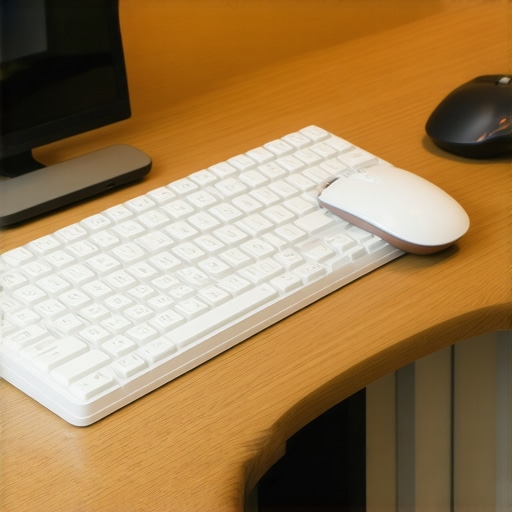
Invest in a compact, ergonomic external keyboard and mouse. Position the mouse closer to your body and the keyboard at elbow height to reduce wrist twisting. For instance, a tenkeyless or 60% keyboard removes the numpad, freeing up desk space and promoting natural wrist alignment. This setup is especially beneficial if you do a lot of data entry or coding.
Set Up Proper Placement for Comfort
Place your external keyboard directly in front of your monitor, with the mouse within easy reach. Keep your wrists straight and avoid bending your hands upward or downward. Use adjustable stands or desk risers if needed to achieve a comfortable typing angle. Remember, a well-arranged workspace prevents fatigue over long work sessions.
Rearrange Your Laptop and External Devices
If you’re committed to using the laptop keyboard, position it in a way that reduces wrist strain—perhaps on a wedge stand or with a separate palm rest. For gaming or intensive workloads, consider docking stations that allow you to keep your laptop out of the way while maintaining an optimal ergonomic position. Check out must-have accessories for seamless setups that enhance comfort and productivity.
Test and Fine-Tune Your Setup
After configuring your workspace, spend time adjusting seat height, monitor position, and accessory placement. Use ergonomic assessment apps or simple posture checks to ensure your wrists remain straight and your eyes level with the screen. I remember replacing my bulky laptop with an external keyboard and monitor last year, which dramatically improved my comfort and workflow. Small adjustments like these can make a significant difference, especially during marathon workdays or gaming sessions.
Maintain Consistent Breaks to Prevent Strain
Integrate regular breaks into your routine following the 20-20-20 rule: every 20 minutes, look at something 20 feet away for at least 20 seconds. Stand, stretch, and reposition your equipment as needed. Proper ergonomics isn’t a one-time setup but an ongoing process to sustain health and efficiency during your tech use.
 Many tech enthusiasts believe that selecting a high-spec gaming laptop automatically guarantees superior performance across all tasks, including business productivity and casual use. However, I’ve found that this is a common misconception. Gaming laptops are primarily engineered for graphics-intensive applications, often sacrificing durability, battery life, and ergonomic design. By focusing solely on gaming benchmarks, users risk overlooking critical nuances that could lead to costly regret or even hardware failures. For example, manufacturers might prioritize aesthetic RGB lighting and high-refresh-rate screens, but these features can compromise thermal management and portability—the essentials for business professionals or students. An advanced oversight is neglecting the importance of upgradeability; many high-end gaming models have proprietary components that make future repairs or upgrades difficult, which contradicts the long-term investment ideal. According to hardware expert Linus Sebastian, “Building sustainability and ease of maintenance into your laptop choices can save you hundreds over time” (source: LinusTechTips).
Beware the trap of simply chasing the latest specs from advertisements; superficial numbers often hide inferior build quality or unsupported warranty policies. For example, some popular gaming laptops suffer from thermal throttling due to inadequate cooling systems, reducing performance during extended use—a flaw that can be detrimental during critical business deadlines or intensive gaming marathons. To avoid this, thoroughly review expert teardown analyses and user feedback before purchasing.
Another subtle yet impactful detail involves port selection. Many gaming machines pack multiple USB-C and Thunderbolt ports, which seem advantageous but may lack the comprehensive connectivity needed for professional setups—such as dedicated Ethernet ports or SD card readers—features often overlooked by naive buyers. Investing in a versatile, purpose-built business laptop with a focus on the holistic user experience ensures more reliable, efficient daily use.
And for students, a similar oversight is choosing sleek ultralights based purely on aesthetics without considering keyboard ergonomics or battery longevity. These small but crucial factors can significantly influence learning efficiency and overall satisfaction. As pointed out by educational tech specialist Sarah Joyce, “Designing laptops that align with prolonged daily usage enhances both health and productivity” (source: EdTechReview).
In the end, whether you’re eyeing laptop deals, hunting for career-boosting business laptops, or putting together a portable setup for classes, it’s vital to look beyond gloss—invest in nuanced features that align with your real-world needs. Curious about how to identify these hidden flaws or need personalized advice? Visit our contact page and start making informed choices today. Have you ever fallen into this trap? Let me know in the comments.
Invest in the Right Maintenance Tools
Maintaining your laptop’s performance over time requires more than just regular updates; it involves using specialized tools to clean, diagnose, and upgrade your device. I personally rely on a high-quality microfiber cloth and compressed air to keep dust and debris out of vents and keyboard crevices, which is crucial for preventing overheating and ensuring longevity. For internal cleaning, an anti-static brush combined with a precision screwdriver kit allows me to safely open and upgrade components like RAM and SSDs without risking static damage. These accessories are essential for any serious tech enthusiast aiming to extend their laptop’s lifespan.
Optimize Software for Long-Term Reliability
Regular maintenance isn’t just hardware; software tuning plays a vital role. I use tools like CrystalDiskInfo to monitor drive health and Malwarebytes to eliminate unwanted bloatware or malicious software that can degrade performance. Setting up scheduled disk cleanups with built-in OS tools helps prevent fragmentation and unnecessary clutter. Keep your drivers updated — not just the OS — to prevent compatibility issues that could affect your gaming sessions or work deadlines.
Establish Routine Check-Ups and Backups
Creating a maintenance schedule ensures your laptop remains reliable. I suggest monthly diagnostics with tools like HWMonitor to track temperatures and fan speeds, especially during intensive gaming or prolonged business use. Backups are equally important; I use external SSDs to clone my entire system periodically, so I can recover quickly if hardware fails. This practice is particularly critical for gamers with custom setups and business users handling confidential data. For a comprehensive setup, check out the latest deals on reliable external drives.
How do I maintain performance over extended periods?
Preventive care is the key. Regularly cleaning vents, updating software, and monitoring system health keeps your laptop running smoothly. I also recommend understanding your thermal management options; for example, applying high-quality thermal paste to CPU/GPU can significantly improve heat dissipation. Mining expert Linus Sebastian emphasizes that “building sustainability into your hardware routine saves costs and prevents breakdowns” (source: LinusTechTips). For gamers, an upgrade to a cooling pad or cooling pad can make a noticeable difference during long sessions.
Upgrade Smartly to Scale Up
As your needs grow, upgrading components like RAM or storage can breathe new life into older models. Ugrading is especially important for business users who rely on multitasking and data storage, and for enthusiasts who want to push gaming performance further. Choose models with accessible upgrade points to minimize labor. Remember, investing in modular laptops makes scaling easier and more cost-effective. Read more about upgrade-friendly laptops to find the best fit for your workflow.
Future Trends in Laptop Maintenance
The trend is moving towards smarter, self-diagnosing hardware with integrated repair alerts and remote diagnostics, reducing downtime. AI-powered diagnostics can predict component failures before they happen, allowing for pre-emptive maintenance. Additionally, the rise of modular designs will make hardware upgrades and repairs more accessible to average users, meaning lower costs and extended device life.
If you’re serious about keeping your gaming or business laptop in peak condition, start with one advanced maintenance habit today—perhaps a quarterly deep clean with compressed air or updating your thermal paste. Small steps now can save significant headaches later. For personalized advice or to explore tools tailored to your device, visit our contact page.
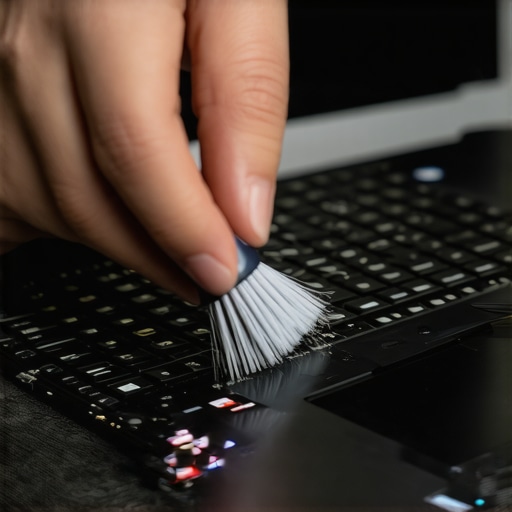
Prompt:Close-up of a technician cleaning a high-performance gaming laptop’s internal components with an anti-static brush, emphasizing careful maintenance practices.
Title:Expert Cleaning of Gaming Laptop Components
Alt:Technician carefully cleaning a gaming laptop’s internal parts to ensure optimal performance.
Lessons the Tech World Kept Hidden from Me
- Beyond specs, I learned the hard way that ergonomic design determines how long I can comfortably work or game each day, saving me from pain and fatigue.
- The importance of workspace setup was a revelation; a few small adjustments to my desk and peripherals transformed my productivity and comfort.
- Investing in quality accessories like ergonomic keyboards and proper stands proved more cost-effective over time than constantly replacing low-quality equipment.
- Regular maintenance routines—software updates, internal cleaning, and hardware checks—are vital to keep my laptop running like new and prevent unexpected failures.
- Upgrade strategies tailored to my needs rather than chasing the latest hardware avoid overspending and extend my device’s lifespan meaningfully.
Tools and Resources That Changed My Approach
- Must-have accessories like ergonomic stands and external keyboards have greatly improved my workspace ergonomics.
- Hardware diagnostic tools such as CrystalDiskInfo and HWMonitor help me proactively address issues before they become major problems.
- Informative guides and expert reviews from top business laptop recommendations ensure I choose reliable, long-lasting devices.
- Hands-on tutorials and maintenance routines from trusted sources keep my laptop in optimal condition without costly professional repairs.
Your Next Step Toward Tech Confidence
Taking control of your laptop’s ergonomics and maintenance isn’t just about comfort; it’s about empowering yourself to work and play without limitations. Small, consistent efforts now will pay off with a device that serves you reliably for years to come. Ready to elevate your laptop game? Dive into those ergonomic setups or maintenance routines today, and you’ll be amazed at the difference it makes. Remember, the most important investment is the one you make in yourself and your workspace. What new habit will you try first to boost your laptop longevity and comfort? Share below—I’d love to hear your plans and experiences.