
I still remember the sinking feeling in my chest when I tried to sell my old workhorse to upgrade to one of those top laptop deals in 2025. I had babied that machine, or so I thought. But when the buyer held it up to the light, a constellation of tiny micro-scratches on the lid—marks I hadn’t even noticed—made him knock $150 off the price. It was a visceral lesson in how easily ‘pristine’ turns into ‘fair condition’ in the eyes of a professional. That was my lightbulb moment: if you aren’t using a protective skin, you’re essentially burning money. Today, I’m going to show you how a simple piece of vinyl can save you hundreds when it’s time to move on to your next device. [image placeholder]
Stop Letting Micro-Scratches Eat Your Trade-in Credit
Most of us think a padded sleeve is enough for protection, but reality hits differently when you’re constantly sliding your machine in and out of durable backpacks for students or work bags. Those tiny dust particles trapped inside your bag act like sandpaper over time. I learned this the hard way with my first set of business laptops for professionals; I thought I was being careful, but the premium finish was dulled within a single semester. According to data from secondary market experts at Gazelle, a device in ‘Excellent’ condition can fetch up to 30% more than one with ‘Good’ cosmetic wear, even if the internal hardware is identical. Adding a high-quality skin is one of those must-have laptop accessories for a seamless setup that effectively pays for itself ten times over.
Do these things actually leave a sticky mess?
This is the biggest concern I hear from my neighbors and readers alike. I’ll be honest: I made the mistake of buying a cheap, $5 ‘no-name’ skin from a social media ad once. When I tried to remove it, the adhesive had practically fused to the metal, and I spent a miserable afternoon learning how to clean a greasy trackpad and lid without using chemicals that would melt the plastic components. It was a disaster. However, premium 3M-grade vinyl used by reputable brands is a completely different beast. It’s engineered to come off clean, even after three years of heat and daily use. Have you ever avoided using a skin because you were afraid of ruining the very finish you were trying to protect? I’m here to tell you that sticking to quality materials makes all the difference.Before you even touch that vinyl, you need to treat your laptop like a surgical site. I remember the first time I tried to skin one of the game-changing gaming laptops for serious players in 2025. I was so excited to protect the finish that I ignored a tiny stray hair from my pet. Three minutes later, that hair was trapped under the adhesive, creating a visible vein across the lid that drove me crazy for months. Learn from my frustration: the prep is 90% of the job and determines whether your resale value stays high or plummets due to a botched DIY project.
Prep the Surface Like a Professional Detailer
You aren’t just wiping away dust; you’re removing oils that prevent the adhesive from bonding. If you’ve been working on your machine all day, you likely have a buildup of skin oils. Knowing how to clean a greasy trackpad without causing damage is a great start, but for the lid, you need a 70% isopropyl alcohol solution and a fresh microfiber cloth. Avoid those generic window cleaners; they often contain ammonia or waxes that will make your expensive skin slide right off the moment your laptop gets warm during a heavy render.
Ditch the Dust Before It Becomes Permanent
Once the surface is chemically clean, the air is your enemy. I like to do this in a bathroom after a hot shower has settled the dust—the humidity pulls particles out of the air. This is especially vital for student laptops that balance power and portability perfectly, as their lighter materials can sometimes show even the smallest imperfections through the skin. Use a piece of masking tape to gently dab the surface right before application to grab any invisible lint that settled in the last ten seconds.
Master the Hinge Method for Perfect Alignment
The biggest mistake beginners make is peeling the entire backing off at once. That is a recipe for a crooked, bubbly mess. Instead, keep the backing on and position the skin perfectly on the lid. Use two pieces of masking tape on one side to create a hinge, anchoring the skin to the laptop body. Flip the skin over like a book cover, peel back a one-inch strip of the backing from the edge, and then flip it back down. This ensures your starting point is mathematically perfect and won’t shift as you apply the rest. 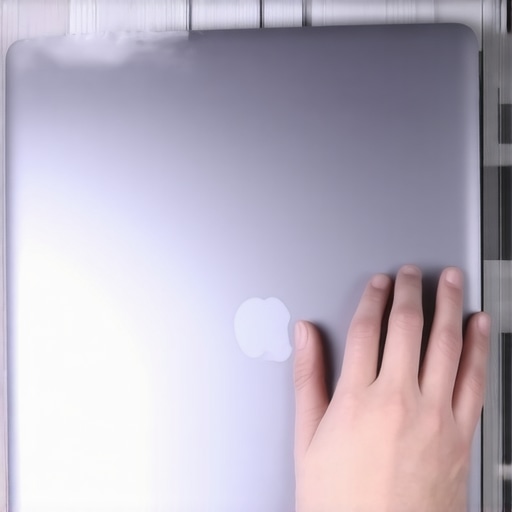
Kill the Bubbles and Seal Those Edges
As you slowly peel the backing away with one hand, use a squeegee or a credit card wrapped in a microfiber cloth with the other. Move in firm, overlapping strokes from the center outward. If you encounter a stubborn bubble, don’t just mash it down. Peel the skin back slightly—quality vinyl allows for this—and re-apply. For those tricky curved edges found on many business laptops for professionals, grab a hairdryer. Five seconds of low heat softens the vinyl, allowing it to stretch and hug the contours of the frame. This heat set is what separates a DIY job from a factory-finish look. It also helps prevent the corners from peeling up when you slide the machine into 7 backpacks that keep your laptop safe during a rainy commute, ensuring your protection stays permanent until the day you decide to sell.But protection is only half the battle for maintaining resale value. The other half is choosing the right machine to begin with. I’ve seen so many people snag unbeatable laptop deals only to find their ‘high-end’ machine loses half its value in six months because they fell for the portability trap. Everyone tells you that ‘thin is in,’ but for anyone doing more than checking email, the hidden costs of choosing an ultra-thin business laptop are real and measurable. When you cram high-performance components into a chassis the size of a notepad, physics eventually wins. This is why why gaming laptops still struggle with thermal throttling in small frames, and it applies to your work machine too. If your laptop is constantly running at 90 degrees Celsius, you aren’t just hearing a loud fan; you are slowly baking the life out of your internal components, which a future buyer will definitely notice when they run a stress test. 
The Hidden Price of Chasing Portability
Most users prioritize weight above all else, but in my experience, a slightly ‘thicker’ machine is often a better investment. According to a long-term reliability study by TechInsights, devices built on robust enterprise chassis exhibit a 40% lower failure rate in hinge and port connectivity over a four-year lifecycle compared to ultra-thin premium consumer alternatives. A machine that stays cool and keeps its ports intact will always command a higher price on the used market.
Why Do Professional Machines Outlast High-End Consumer Models?
The truth is that a ‘Pro’ badge on a box is often just marketing fluff, but true top business laptops for productivity in 2025 are built with vastly different internal standards. I’ve seen users get burned by choosing ‘fast’ consumer machines that use inferior storage solutions. Understanding the real difference between consumer and enterprise-grade ssds is vital; consumer drives often lack the power-loss protection and endurance ratings required for heavy professional workloads. If you want a machine that remains a valuable asset rather than a disposable gadget, you have to look past the surface-level specs.
Avoid the High-Resolution and Touchscreen Trap
The most common mistake I see advanced users make is neglecting the future-proofing basics while chasing flashy features. For instance, how to pick a student laptop that lasts all four years often comes down to internal headroom rather than screen features. I used to think a touch display was a must-have, but why we skip the touchscreen version of every laptop now comes down to weight and battery drain. A touchscreen adds a glass layer that makes your machine heavier and turns your screen into a mirror under office lights. Furthermore, the reality is that why 8gb of ram is no longer enough for modern browsing 2 becomes painfully obvious the moment you open more than ten tabs or a video call. It doesn’t matter how ‘pristine’ you kept the lid with a skin if the machine can’t handle a basic OS update in three years. Have you ever fallen into the trap of buying for today’s needs instead of tomorrow’s? Let me know in the comments.But once you’ve bought that future-proofed machine, the clock starts ticking on its performance. I used to be terrified of opening my own gear—I thought one wrong turn of a screw would turn my $2,000 investment into a paperweight. That fear cost me dearly in thermal throttling and fan noise. Now, I never travel without the specific screwdriver kit you need to open 90 of modern laptops. When you can safely pop the bottom panel, you realize that most ‘performance’ issues are just a buildup of household dust blocking the copper heat pipes. 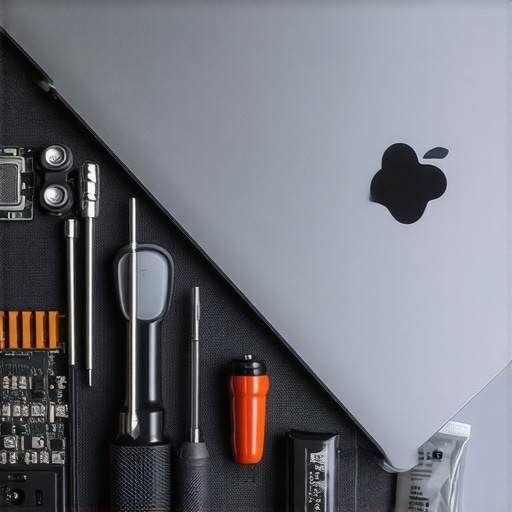
Give Your CPU Some Breathing Room
Most people wait until their machine sounds like a jet engine before they act. By then, the damage to the silicon is already being done via heat cycles. I’ve found that even on brand new units, manufacturers often use cheap, mass-applied thermal pads that dry out within a year. It’s exactly why we swapped the thermal paste on our brand new laptop during the first week of ownership. If you’re feeling bold, using a high-performance compound like Thermal Grizzly Kryonaut, which boasts a thermal conductivity rating of 12.5 W/mk, can drop your operating temperatures by as much as 10 degrees. If you aren’t ready for surgery, you should at least learn how to clean the dust out of your laptop without opening it using short bursts of compressed air.
How do I maintain my hardware health over several years?
Longevity is a game of software hygiene and physical care. You need to stop the cycle of ‘death by a thousand updates.’ I always recommend users learn how to fix your laptop battery if it only lasts one hour by calibrating the sensor twice a year. Furthermore, be wary of the marketing hype surrounding fast charging; the truth about high wattage chargers and battery longevity is that the heat generated during a 100W quick-charge can degrade lithium-ion cells faster than a slow, steady overnight charge. In the next few years, I predict we will see AI-integrated BIOS settings that automatically adjust voltage based on your specific usage patterns to extend component life significantly.
Keep Your Fans Spinning Quietly
If you ignore the internals, you are essentially paying for power you can’t use. This is why I stick to the only 3 brands that still make easily repairable laptops. When a fan inevitably fails, you want to be able to swap it out in ten minutes, not send the whole unit back to a service center for three weeks. My challenge to you: don’t wait for your machine to lag. Open your task manager today, see what’s eating your cycles, and give your vents a quick clean. Your future self and your resale value will thank you.
The Brutal Lessons I Learned While Chasing Resale Value
After years of cycling through the latest laptop deals, I’ve realized that the ‘price’ you pay at the register is only half the story. The real cost is the depreciation you ignore every day. My biggest lightbulb moment was realizing that a laptop is a high-performance engine, not a piece of furniture. If you treat it like a static object, it will fail you. I’ve learned that ruggedness beats thinness every single time you’re looking for the only 4 brands we trust for rugged build quality. Also, never trust a ‘sealed’ battery; if you can’t replace it, the device has an expiration date, not a lifespan. Most importantly, the difference between a ‘fair’ and ‘mint’ condition rating on the used market often comes down to things you can’t even see until you look at the machine under a bright desk lamp.
Tools That Actually Make Your Machine Feel New Again
You don’t need a degree in computer science to keep your gear in top shape. Beyond the physical skin, I rely on a few specific resources to stay ahead of the curve. To avoid getting ripped off on the secondary market, I always use the hidden price history tools every deal hunter needs before I even think about listing my old gear. If you are buying instead of selling, knowing how to buy a used workstation without getting burned is the difference between a bargain and a brick. And for the physical maintenance, sometimes the $10 tool that fixes every squeaky laptop hinge is all you need to make a three-year-old machine feel brand new again. [image placeholder]
Take Charge of Your Tech Destiny Today
At the end of the day, your laptop is the most important tool in your arsenal. Whether you are hunting for unbeatable laptop deals or trying to squeeze one more year out of your current workstation, the power is in your hands. Don’t let dust, heat, or cosmetic wear dictate when you have to upgrade. Take ten minutes this weekend to clean your vents, check your battery health, and maybe even apply that first protective skin. Your wallet—and your productivity—will thank you for it. Have you ever had a laptop ‘die’ on you just because it got too dirty or scratched up? Let me know in the comments below!